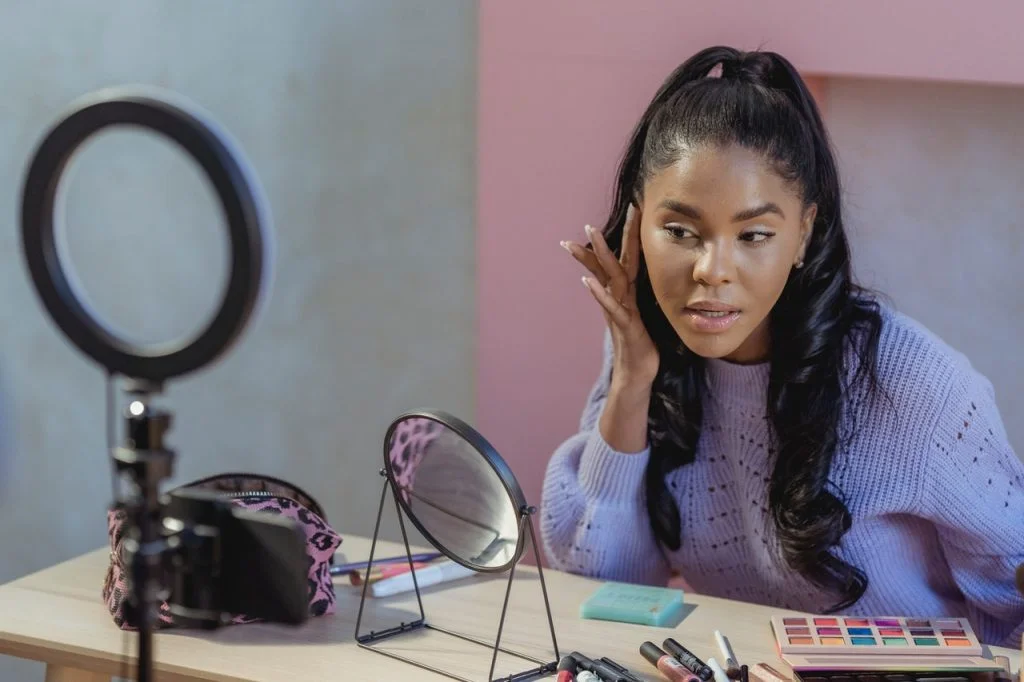
Beauty and lifestyle content is often at its best when it feels personal. A skincare routine, a favorite outfit, or a change in daily habits becomes more useful when readers understand what prompted it and what the experience was really like. If you want to share those stories online, a little planning can help you make them clear, engaging, and genuinely helpful—whether you are writing a blog post or creating a short video.
Start with a Story, Not Just a Subject
“My morning skincare routine” is a subject, but it does not yet tell readers why they should keep reading. A story gives the subject a point of view. Maybe you wanted a simpler routine, struggled with dry skin during winter, or found that getting ready earlier made busy mornings less stressful. The details give your post a reason to exist.
Before you begin, ask yourself three questions: What did I want to change? What did I try? What did I learn? You do not need a dramatic transformation. Small, ordinary experiences can be interesting when you explain what worked, what did not, and who might find the same approach useful.
Keep Personal Advice Grounded
Readers value honest experiences, but personal results should not be presented as universal rules. A product that suits your skin may not suit someone else, and a styling tip that works for one body type or climate may need adjusting elsewhere. Be specific about your own circumstances, and make it clear when you are sharing an opinion rather than professional advice.
It also helps to include practical details. If you are describing a weekly hair-care routine, explain how often you use each product and how much time it takes. If you are writing about building a capsule wardrobe, mention the kinds of pieces you reach for most. Details make a story easier to follow and let readers decide whether the idea fits their lives.
Choose the Right Place to Publish
A strong post needs an audience that is likely to care about it. A personal account of learning to dress for a new job could suit a lifestyle blog, while a detailed account of adjusting a makeup routine might be more at home on a beauty site. Think about the reader’s interests, the tone of the publication, and whether the editor welcomes first-person experiences.
If you are exploring publications beyond your own site, personal blog listings can help you discover places that publish stories and experiences. Use a directory as a starting point, then read a few recent posts on any site you are considering. Check its subject matter, writing style, submission guidance, and audience before pitching. A thoughtful match is more valuable than sending the same idea everywhere.
Make a Simple Plan Before You Create
Whether you are writing or filming, an outline prevents a good idea from wandering. A useful structure is simple:
- Opening: Introduce the situation or question that led to your story.
- Experience: Describe what you tried, including relevant details and setbacks.
- Takeaway: Explain what you learned and who might benefit from it.
For a video, this outline can become a short shot list. Decide which moments need to be shown—such as applying a product, comparing outfit options, or organizing a vanity—rather than relying on long stretches of talking. Natural light, clear audio, and a tidy frame often matter more than elaborate equipment.
When Video Editing Is Part of the Process
Editing can shape a personal story without making it feel overproduced. Remove repeated points, pauses that distract from the message, and shots that do not add useful context. Keep transitions and captions consistent, and make sure text stays readable on a phone screen. For beauty demonstrations, avoid edits that could make a product’s result look misleading.
If you decide to work with a freelancer, explain the intended audience, platform, length, style, and deadline before the edit begins. Share examples of the pacing or captions you prefer, and agree on file formats and revision limits. A clear video editing workflow reduces guesswork and makes feedback more specific. Osdire is one freelance marketplace where buyers can find services across creative categories; its guide to hiring an editor is also a useful reminder to discuss portfolio fit and deliverables upfront.
Respect Your Privacy and Your Readers
Personal storytelling does not mean sharing everything. Decide in advance which details are comfortable to publish, especially when a story involves friends, family, work, or a sensitive health experience. Ask permission before including someone else’s identifiable details or images. You can be open about what you learned while still keeping parts of your life private.
Likewise, be transparent when a recommendation involves a gifted item, a paid collaboration, or an affiliate relationship. Readers are more likely to trust your perspective when they understand the context. If you are describing a product you bought yourself, say so when it is relevant, and give a balanced account rather than listing only its benefits.
Let the Conversation Continue
A personal post can be the beginning of a connection, not a final statement. Invite readers to share their own approaches with a focused question, then respond thoughtfully where you can. Over time, notice which stories prompt useful conversations and which formats feel natural to make. The aim is not to imitate every trend; it is to develop a recognizable voice and offer something readers can take into their own routines.
Good beauty and lifestyle content balances personality with practical value. Begin with a real experience, shape it for the right audience, and share the lesson without claiming it applies to everyone. That combination makes your work feel warm, trustworthy, and worth returning to.