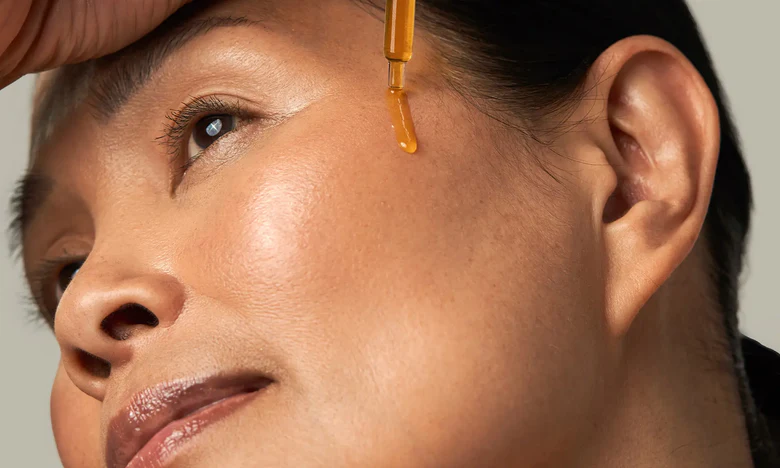
Choosing a face serum can feel confusing, especially when every product claims to brighten, hydrate, clear acne, and reduce fine lines all at once. But the truth is, the best serum for your skin depends less on trends and more on understanding your skin type and concerns.
A serum that works beautifully for dry skin may feel heavy on oily skin. Similarly, a strong active ingredient that helps acne-prone skin might irritate sensitive skin.
The key is choosing ingredients that support your skin instead of overwhelming it.
In this guide, we’ll break down how to identify your skin type, which ingredients work best for different concerns, and how to build a simple serum routine that actually makes sense.
What Is a Face Serum and Why Does It Matter?
A face serum is a lightweight skincare product designed to deliver concentrated active ingredients into the skin. Unlike moisturizers, serums focus more on treating specific concerns like dullness, dehydration, pigmentation, acne marks, or uneven texture.
Because serums are lightweight and absorb quickly, they’re often the step that helps target visible skin concerns more effectively.
What Makes Serums Different from Moisturizers?
Moisturizers mainly help lock hydration into the skin barrier, while serums are usually formulated with targeted ingredients that work on particular concerns.
For example:
- Vitamin C helps brighten skin
- Niacinamide helps control excess oil
- Hyaluronic acid boosts hydration
- Alpha arbutin supports even skin tone
- Retinol helps with fine lines and texture
That’s why choosing the right serum matters more than simply buying whatever product is trending online.
Identify Your Skin Type Before Choosing a Serum
Before adding any serum to your routine, it’s important to understand your skin type. Using the wrong formula can sometimes make skin concerns worse instead of better.
Oily Skin
Oily skin produces excess sebum, often leading to shine, clogged pores, and breakouts.
Common Signs
- Skin looks shiny within a few hours
- Enlarged pores
- Frequent acne or congestion
- Makeup breaks apart quickly
Best Ingredients for Oily Skin
- Niacinamide
- Salicylic acid
- Lightweight hydrating ingredients
People with oily skin often assume they should avoid hydration completely, but dehydrated oily skin can actually produce even more oil. Lightweight balancing serums usually work best.
A good example of this category is the Deconstruct Liposomal Oil Control Serum, which focuses on balancing excess oil without making the skin feel stripped or tight.
Dry Skin
Dry skin tends to feel rough, flaky, or tight because it lacks moisture and sometimes natural oils.
Common Signs
- Tightness after cleansing
- Flaky patches
- Dull appearance
- Rough texture
Best Ingredients for Dry Skin
- Hyaluronic acid
- Ceramides
- Squalane
- Glycerin
Dry skin benefits from hydrating serums that support the skin barrier and help retain moisture throughout the day.
Avoid overusing exfoliating acids if your skin already feels dehydrated.
Combination Skin
Combination skin usually means having an oily T-zone with normal or dry areas around the cheeks.
Best Ingredients for Combination Skin
- Niacinamide
- Lightweight hydration
- Peptides
- Barrier-support ingredients
The goal is balance — hydration without heaviness and oil control without dryness.
Sensitive Skin
Sensitive skin reacts more easily to ingredients, fragrances, or over-exfoliation.
Common Signs
- Redness
- Burning or stinging
- Irritation
- Sudden reactions to products
Best Ingredients for Sensitive Skin
- Centella asiatica
- Panthenol
- Aloe vera
- Oat extract
If you have sensitive skin, it’s usually better to keep routines simple and avoid layering too many active ingredients together.
Mature Skin
As skin ages, collagen production naturally slows down, which can lead to fine lines, uneven texture, and loss of firmness.
Best Ingredients for Mature Skin
- Retinol
- Peptides
- Vitamin C
- Hyaluronic acid
Hydration combined with collagen-supporting ingredients tends to work best for mature skin.
Best Serum Ingredients for Different Skin Concerns
Sometimes your skin concern matters more than your skin type. Here’s how to choose ingredients based on what you want to improve.
For Dull Skin and Uneven Tone
Vitamin C is one of the most popular ingredients for improving dullness and supporting brighter-looking skin.
It’s commonly used to:
- Improve skin radiance
- Support even-looking tone
- Reduce the appearance of pigmentation
- Help with post-acne marks
Many people avoid vitamin C because stronger formulas can sometimes feel irritating. That’s why gentler formulations are often preferred for beginners.
One example is the Deconstruct Liposomal Vitamin C Serum, which uses liposomal technology designed to improve ingredient stability and absorption while keeping the texture lightweight.
Vitamin C serums generally work best when paired with sunscreen during the daytime.
For Acne Marks and Post-Breakout Pigmentation
If acne marks and uneven skin tone are your main concerns, ingredients like niacinamide and alpha arbutin can work well together.
Why This Combination Works
- Niacinamide helps support the skin barrier and balance excess oil
- Alpha arbutin helps improve the appearance of dark spots and pigmentation
- Together, they support a more even-looking complexion over time
A serum that combines these ingredients is the Deconstruct Clearing Serum (5% Niacinamide + 3% Alpha Arbutin).
This type of formula is often suitable for:
- Acne-prone skin
- Oily skin
- Mild pigmentation
- Post-acne marks
The lower percentage of niacinamide also makes it feel approachable for people starting active ingredients for the first time.
Ingredients to Avoid Based on Your Skin Type
Not every ingredient works for every skin type.
If You Have Oily Skin
Try avoiding:
- Very heavy oils
- Thick greasy textures
- Overly rich creams layered with active serums
If You Have Dry Skin
Be careful with:
- Excessive exfoliation
- Alcohol-heavy products
- Harsh cleansers
If You Have Sensitive Skin
Avoid:
- Artificial fragrance
- Overusing exfoliating acids
- Mixing too many actives together
How to Read a Face Serum Label
Understanding serum labels can help you make better skincare decisions.
Ingredient Order Matters
Ingredients are usually listed from highest concentration to lowest concentration. The first few ingredients make up most of the formula.
Active Ingredient Percentages Matter Too
Some percentages commonly seen in skincare:
- 5% niacinamide → beginner-friendly balancing support
- 10–15% vitamin C → brightening support
- 2% salicylic acid → exfoliation for acne-prone skin
Higher percentages don’t always mean better results. Sometimes gentler formulas are easier to use consistently.
Packaging Is Important
Certain ingredients, especially vitamin C, can become unstable when exposed to air and sunlight.
Look for:
- Dark bottles
- Air-tight packaging
- Pump dispensers
Morning vs Night Serums
Not all serums are meant for the same routine.
Morning Serums
Morning routines usually focus on protection and hydration.
Popular morning ingredients:
- Vitamin C
- Hyaluronic acid
- Niacinamide
Vitamin C is especially popular during the day because it pairs well with sunscreen for antioxidant support.
Night Serums
Nighttime routines are usually more repair-focused.
Popular night ingredients:
- Retinol
- Peptides
- Barrier-support formulas
Your skin naturally repairs itself overnight, making nighttime ideal for treatment-focused products.
Common Mistakes People Make When Choosing Serums
Following Trends Instead of Skin Needs
Just because an ingredient is popular online doesn’t mean your skin actually needs it.
Focus on your own skin concerns instead of trying every trending product.
Using Too Many Active Ingredients Together
Combining multiple strong actives at once can damage the skin barrier.
For example:
- Retinol
- AHAs
- BHAs
- Strong vitamin C formulas
should be introduced slowly and carefully.
Ignoring Sunscreen
Using brightening or exfoliating serums without sunscreen can sometimes make pigmentation worse.
Daily SPF is essential, especially when using active ingredients.
Simple Serum Routine by Skin Type
For Oily or Acne-Prone Skin
Morning:
- Gentle cleanser
- Niacinamide-based serum
- Lightweight moisturizer
- Sunscreen
Night:
- Cleanser
- Pigmentation or balancing serum
- Moisturizer
For Dull Skin
Morning:
- Cleanser
- Vitamin C serum
- Moisturizer
- Sunscreen
Night:
- Cleanser
- Hydrating serum
- Moisturizer
For Sensitive Skin
Morning:
- Gentle cleanser
- Barrier-support serum
- Moisturizer
- Sunscreen
Night:
- Cleanser
- Hydrating serum
- Moisturizer
Simple routines are often easier to maintain consistently.
Final Thoughts: Choose Ingredients, Not Trends
Choosing the right face serum becomes much easier once you understand your skin type and the ingredients that support your concerns.
If your skin feels oily or acne-prone, balancing ingredients like niacinamide may help. If dullness or uneven tone is your concern, vitamin C and alpha arbutin are commonly used ingredients worth exploring.
The most important thing is consistency. Good skincare usually comes from using the right products regularly — not from constantly changing routines or trying every viral ingredient online.
Start simple, patch-test new products, and give your skin time to respond before expecting overnight results.